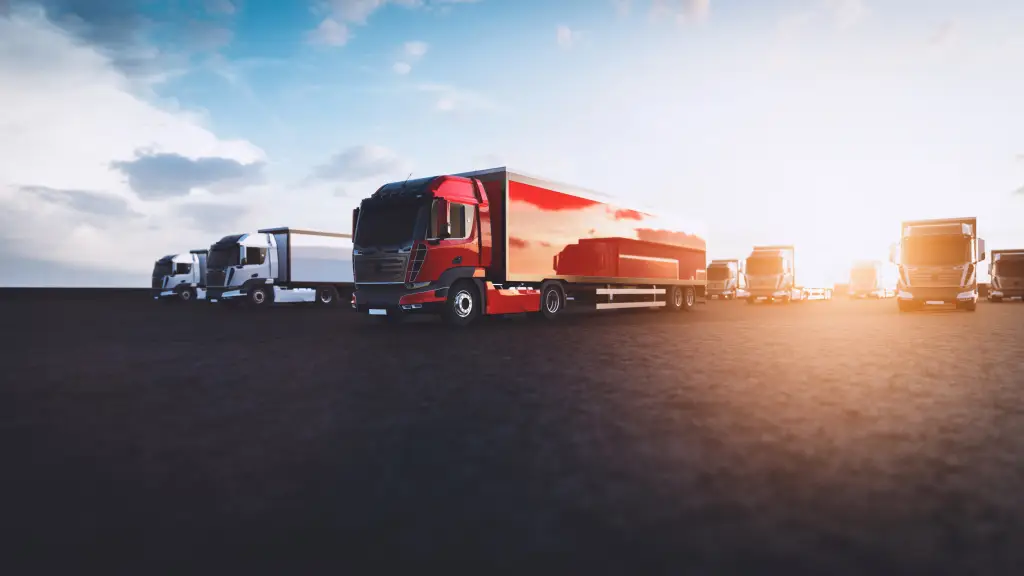
The importance of sustainable logistics
In 2018, the Energy Transition Commission reported six industries that are highly dependent of fossil fuels: cement, steel, plastics, road freight, sea freight and aviation. Three of the six reported industries concern logistics. Despite this, companies still do not consider logistics for their sustainability strategy. Without a doubt there is a need for any organization to develop a strategy that reduces logistics emissions. We understand the challenges of complex logistics networks and the fossil fuel dependent nature of the industry.


Introducing Carbon Insetting
Facing these complex challenges of the logistics industry, carbon insetting is increasing in popularity and is considered as a valuable addition to any sustainable logistics roadmap. Carbon insetting is a carbon trading system that allows companies to allocate the environmental benefits separate from a low emission alternative intervention itself as long as it reduces emissions within the same transport mode.
In short, insetting provides companies to invest in a low carbon alternative (e.g. biofuels or electric transport) and report emission reductions. It takes away the complexities in the logistics sector and allows for cost sharing of sustainable options.